Overview Professional spider control Ottawa for homes and businesses
Overview Professional spider control Ottawa for homes and businesses
Blog Article
Spiders can lower insect prey, but a growing number of spiders indoors can indicate a wider pest problem. Spider webs, egg sacs, and repeated sightings often indicate conditions that allow for long-term activity. Professional Spider Control Ottawa offers you a practical plan for locating the cause, treating active areas, and reducing future access.
A qualified pest control technician can assess residential properties and commercial properties with distinct requirements in mind. Homes may require extra care around children and pets. Businesses may need discreet service, documented procedures, and little interruption to staff or customers. Mosquito Man is one real example of a business associated with pest control services.
Why Effective Qualified Spider Control Matters
Seeing one spider does not always mean you have a spider infestation. A few house spiders near windows may come inside while hunting. A steady increase in webs, egg sacs, and spider sightings deserves a closer look.
Spiders often remain close to a food source. If flies, ants, moths, or other insects are active inside a building, spiders have a reason to stay. A pest control technician looks beyond visible spider removal. The inspection considers insect activity, moisture, clutter, lighting, and entry points.
Professional spider control also helps prevent repeated do-it-yourself treatments that address only the visible insects. A service can identify harbourage areas, reduce access, and recommend changes that support ongoing pest management. This approach suits homes, offices, stores, storage facilities, and other occupied buildings.
For commercial properties, untreated spiders may affect cleanliness standards and customer confidence. Webs around entrances, signs, display areas, or washrooms create an untidy appearance. A planned commercial pest control service can manage these concerns while fitting around operating hours.
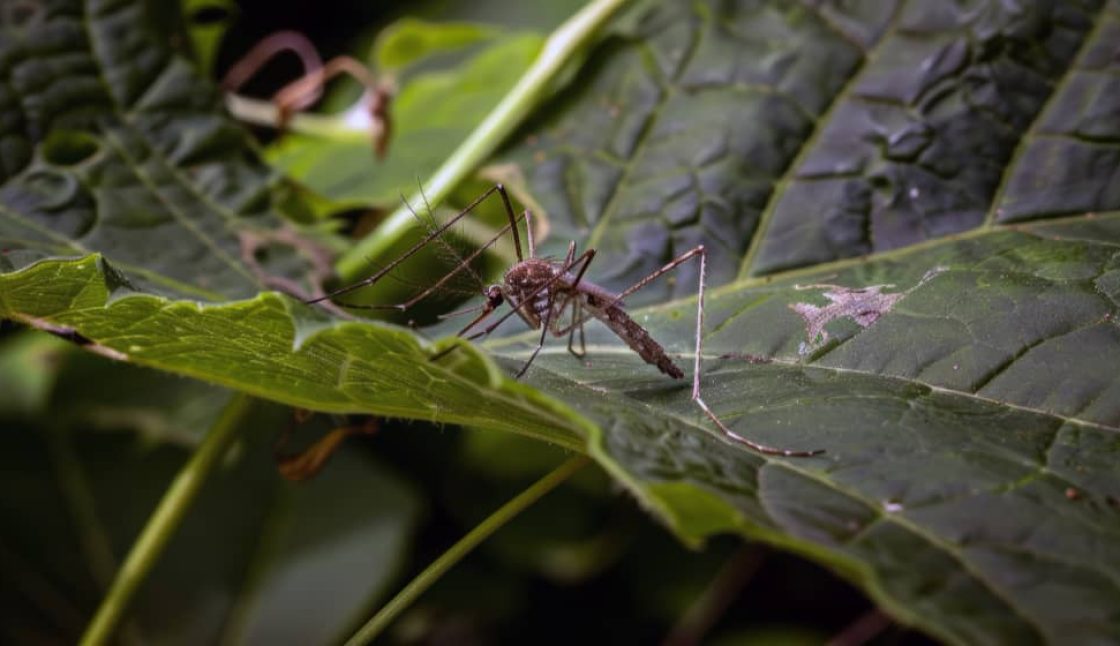
Typical Spiders Found in Ottawa Houses and Commercial Properties
Different spiders move in different ways. Correct spider identification can show where to look and which treatment method fits the situation.
Common house spiders often create irregular webs in quiet corners, window frames, ceiling edges, and storage spaces. They usually stay close to insect prey and may become more visible when indoor populations rise.
Cellar spiders have extremely long legs and commonly show up in basements, utility rooms, crawl spaces, and other damp areas. Their loose webs can spread across ceiling corners and exposed pipes.
Wolf spiders do not rely on large webs to find prey. They hunt on the ground and may enter through gaps beneath doors, cracks in foundations, or openings around service lines. Their size can make them more alarming than smaller indoor spiders.
Small jumping spiders are small, active spiders that may be spotted on walls, window glass, or outdoor surfaces. They dart quickly and do not usually create the large webs associated with other common household spiders.
How to Recognize Spider Activity
Look for more than a single spider. Fresh spider webs in several rooms, egg sacs attached to corners, and fine silk threads around storage items can indicate ongoing activity. A spider nest is not always a obvious, enclosed structure. It may look like a small cluster of silk, debris, and spider eggs.
Record where spider sightings occur and whether they happen at certain times. Activity near lights may suggest that flying insects collect there. Basement spiders may point to moisture or foundation access. Garage spiders may enter through gaps around doors and stored materials.
Do not disturb unknown egg sacs with bare hands. If you notice a web infestation, capture the area from a safe distance and note nearby vents, drains, windows, or door gaps. These details can help a professional evaluate the source.
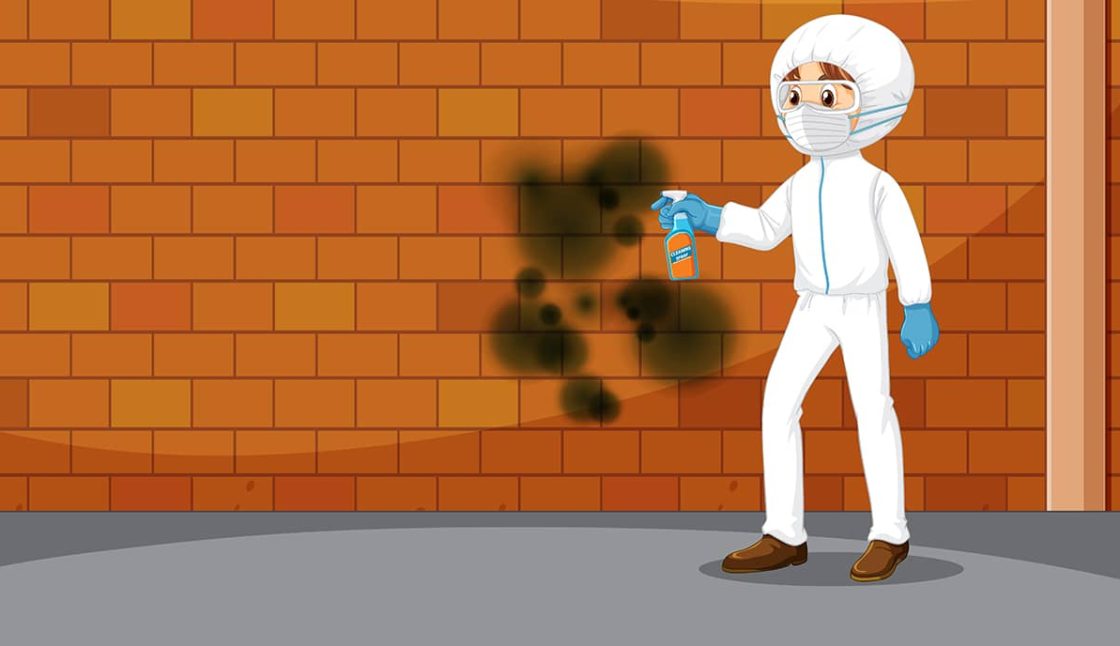
Warning Signs You May Need Spider Treatment
Web accumulation is one of the most obvious signs that spider activity is not isolated. Watch for webs that return soon after cleaning, especially around rooflines, exterior lights, windows, and sheltered corners.
Recurring spiders may also indicate that the building offers easy access and a reliable supply of insect prey. Removing visible spiders without addressing entry points often produces temporary results.
Additional signs include:
- Several spiders appearing in different rooms or work areas.
- Egg sacs found on walls, shelving, equipment, or stored items.
- Heavy insect activity near doors, lights, drains, or waste areas.
- Openings around pipes, vents, foundations, windows, or utility lines.
- Webs reappearing after routine cleaning.
- Spider activity in customer-facing areas or food storage zones.
Moisture can boost insect activity and create better conditions for cellar spiders. Moisture control, sanitation, waste management, and repairs around entry points all strengthen spider prevention.
The Spider Control Process
A practical service begins with a property inspection rather than an automatic spray. The technician assesses the building, checks pest identification, and determines where spiders are entering or finding food.
The process may involve:
- Building inspection: Interior and exterior areas are checked for spiders, webs, egg sacs, insects, moisture, and access points.
- Pest identification: The technician identifies the spider type where possible and checks for related insect activity.
- Targeted treatment: Treatment is focused at cracks, harbourage areas, webs, and exterior zones instead of applying product without a clear purpose.
- Follow-up inspection: A follow-up inspection checks activity and helps determine whether further work or prevention changes are needed.
This process may also include spider removal for visible specimens and web removal from accessible surfaces. Results vary with the building, the level of activity, surrounding conditions, and how well recommended repairs are completed.
Inspection and Risk Assessment
An interior inspection examines basements, garages, attics, closets, mechanical rooms, storage areas, window frames, and door thresholds. The technician looks for webs, egg sacs, live insects, and signs that spiders are moving through wall or ceiling openings.
An exterior inspection reviews the building perimeter, foundation, roofline, outdoor lights, landscaping near walls, waste areas, and service penetrations. Harbourage areas may include stacked materials, dense vegetation, unused equipment, and undisturbed corners.
Moisture sources deserve special attention. Leaking plumbing, condensation, poor drainage, damp storage areas, and damaged seals can support insects that attract spiders. Correcting these conditions supports sensible pest management, even when no chemical treatment is needed in that specific area.
Treatment Choices for Indoor and Outdoor Areas
The treatment varies with the area and the activity involved. A crack and crevice treatment may be suitable around narrow openings where spiders or insects gain entry. It allows the technician to focus on specific hiding points rather than broad exposed surfaces.
Removing webs clears visible spider webs from places within reach. This makes the area look better and removes places where spiders may stay. Cleaning by itself does not stop new webs if entry points and insect sources continue to exist.
A residual insecticide may be applied to approved surfaces when the label permits this use and when the technician determines that treatment is needed. Choosing the product, application rate, airflow, and placement must comply with the product label.
Integrated pest control combines inspection, cleaning, entry-point sealing, monitoring, physical removal, and carefully selected products. It does not rest on repeated spraying as the only approach. This method promotes preventive pest control and can lower avoidable exposure in spaces people use.
Spider Removal for Homes
Residential properties often develop spider activity in areas that receive limited routine attention. Basements may offer moisture, low light, and openings in the foundation. Garages can provide access through overhead doors, stacked boxes, and wall seams. Attics may contain air vents, insulation gaps, and quiet corners.
Examine windows and doors for damaged seals, torn screens, and spaces beneath thresholds. Door sweeps can seal the lower gap beneath exterior doors. Window screens should fit tightly and remain free of tears.
Remove clutter in storage areas so webs and egg sacs are simpler to find. Keep boxes off moist surfaces where possible, and avoid storing unused materials beside wall surfaces. Regular vacuuming can pick up webs and spiders from reachable surfaces inside the home.
A professional inspection can help separate a minor, controllable problem from a wider problem involving insects, moisture, or structural openings. The goal is not just spider removal. It is to make the home less attractive and less accessible to spiders.
Spider Management for Businesses
Business offices may see spiders around receiving zones, mechanical rooms, windows, and exterior entrances. Retail spaces can develop visible webs around signs, displays, doors, and lighting. Distribution centers have many protected spaces, stored products, dock doors, and wall penetrations that may need review.
Guest spaces require quick action because a single web can affect the look of a clean, maintained space. Service timing may be planned outside busy periods, depending on the treatment and site requirements.
Business pest management should also account for employees, contractors, visitors, inventory, and building procedures. A written service plan may outline inspection points, cleaning duties, repair needs, monitoring steps, and follow-up dates.
Good sanitation supports control by limiting insects that serve as food. Waste should remain in sealed containers, spills should be cleaned promptly, and exterior lighting should be reviewed where it attracts flying insects near entrances.
Are Spider Treatments Safe for Children and Pets?
Safe pest treatment starts with a site review and careful adherence to pesticide safety requirements. A service provider should select products and application methods according to the pest, surface, building use, and product labels.
Advise the technician about children and pets before treatment. Point out aquariums, bird cages, food preparation areas, medical concerns, and any sensitive occupants. These details can change the treatment plan.
Product labels provide directions for application, ventilation, storage, and re-entry. Observe the written re-entry instructions rather than relying on smell or appearance. Make sure you keep children and pets away from treated areas until the stated conditions have been met.
Ask what will be treated, what must be removed or covered, how long the area needs to remain vacant, and whether ventilation is required. A responsible provider explains the safe pest treatment steps before work begins.
How to Prevent Spiders from Returning
Prevention works best when you deal with access, shelter, food, and moisture together.
- Seal gaps: Use suitable caulking at windows, utility lines, vents, foundations, and other openings.
- Strengthen door protection: Install or repair door sweeps and weatherstripping.
- Check window screens: Repair window screens and check that frames close tightly.
- Review lighting: Reduce unnecessary exterior lighting near doors or use fixtures that attract fewer flying insects.
- Reduce stored clutter: Keep storage areas orderly and clear webs during routine cleaning.
- Reduce dampness: Repair leaks, improve drainage, and ventilate damp rooms.
- Care for the perimeter: Keep vegetation, stored materials, and debris from touching exterior walls.
- Maintain sanitation: Manage waste, clean spills, and reduce conditions that attract insect prey.
Routine maintenance makes spider prevention more reliable. A monthly check of basement corners, garage doors, window frames, and exterior lights can reveal changes before activity spreads.
When to Hire a Trusted Spider Control Service
Call for a trained assessment when you see a long-term spider problem, webs building up again, or spiders in different parts of the building. Expert service also makes sense when activity returns after cleaning and initial sealing.
Venomous spider concerns require caution. Never handle or trap a spider if you cannot identify it safely. Photograph it from a distance, keep people and pets away, and ask a trained pest specialist for advice.
A service plan may be valuable for businesses, larger buildings, rental properties, and homes with recurring seasonal activity. The plan can include regular inspections, monitoring, exterior work, sanitation guidance, and a return inspection.
Choose a provider that reviews the findings, identifies the proposed treatment areas, discusses product labels, and gives practical prevention advice. Good communication helps you understand what the service will and will not address.
Spider Control Ottawa FAQs
What are the usual spiders found in Ottawa homes?
House spiders, cellar spiders, wolf spiders, and jumping spiders are among the common types found in and around homes. House spiders often build webs in corners, cellar spiders prefer damp, quiet spaces, wolf spiders hunt on surfaces, and jumping spiders move actively across walls and windows. Proper identification helps determine the right inspection and treatment approach.
Are spiders in Ottawa dangerous to people or pets?
Most spiders encountered indoors are not considered a significant risk to people or pets. A bite can still cause discomfort, and an unknown spider should not be handled. Keep children and pets away from spiders that you cannot identify, especially if the spider appears abnormal or aggressive. A professional can assess the concern and recommend safe control options.
How can I prevent spiders from entering my Ottawa home?
Seal cracks and gaps around foundations, windows, doors, pipes, and vents. Repair window screens, install door sweeps, reduce clutter, manage moisture, and remove webs during normal cleaning. Limiting exterior lighting near entrances can reduce flying insects, which removes a major food source for spiders.
When should I call a professional spider control service in Ottawa?
Reach out to a professional when spiders reappear, webs appear throughout the building, egg sacs are present, or you notice heavy insect activity. You should also ask for help if you have venomous spider concerns or cannot safely identify the pest. A professional assessment can determine whether the issue needs targeted treatment, look at this web-site repairs, monitoring, or a continued treatment plan.
What does Spider Control Ottawa typically cost?
Treatment cost depends with the size of the property, the number of affected areas, indoor and outdoor access, spider activity, treatment methods, and whether additional visits is needed. A small, local issue may require a simpler treatment than a recurring problem across a home or commercial building. Ask for a property inspection and a written explanation of the recommended service before agreeing to treatment.
Report this page